Our Mission
Enabling schools in India to nurture the social and emotional well-being of their
students and educators through accessible, evidence-based solutions
The Challenge
Across India, students and educators are navigating increasing academic pressure, emotional stress, and rapidly changing social environments. While awareness of mental health and well-being is growing, many schools — particularly government and low-fee institutions — still lack structured systems to support students and teachers consistently.
At the same time, access to trained mental health professionals remains limited, making it difficult for schools to rely solely on traditional support models. This is why schools must become places where emotional skills are proactively taught, practiced, and supported as part of everyday learning.
There is one mental health counselor for every 250,000 students in India. This is
significantly lower than the recommended ratio of 1 counselor per 1,000 students.
The report also found that there is a significant shortage of mental health professionals
in India, with only 0.3 psychiatrists and 0.07 psychologists per 100,000 people.
-NIMHANS Report 2018
SwayamSarthi Foundation works to tackle this challenge by helping schools build practical,
scalable well-being systems that strengthen resilience, relationships, and learning outcomes for
entire school communities.
School administrators are in a prime position to lead systemic
change aimed at supporting student mental health
Preparing the school system as a whole for creating enabling conditions of care, trust,
and inclusive practices and providing essential resources: Wellness Spaces,
Committees at all levels (school, cluster, block, district), etc.
– Promoting focus on individual strengths.
– Establishing proactive policies addressing well-being.
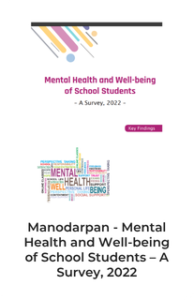
– Mental Health and Well-Being of School Students – A Survey, 2022 (NCERT)
With a Widening Gap between National Policy and Classroom Realities…
Die Strategie von catspins setzt auf Substanz statt auf kurzlebige Marketing-Tricks. Visa, Mastercard, Skrill und Neteller gehören zu den am häufigsten genutzten Zahlungsoptionen. Ein Cookie-Banner informiert transparent über die Nutzung von Tracking-Technologien. Mehrsprachige Dealer sorgen dafür, dass auch deutschsprachige Spieler gut unterhalten werden. Geburtstagsboni sorgen für ein persönliches Erlebnis und werden von vielen Nutzern besonders geschätzt. Die Navigation ist klar strukturiert und ermöglicht das schnelle Auffinden gewünschter Inhalte. Slot-Turniere innerhalb der Plattform schaffen zusätzliche Spannung neben dem regulären Spielbetrieb. Selbst Live-Casino-Sitzungen laufen auf mobilen Geräten in hoher Qualität. Spieler können ausgewählte Aktionen über soziale Medien teilen und damit Boni freischalten. Der Support reagiert auf Bonusprobleme meist sofort und ohne unnötige Verzögerungen. Wer Wert auf langfristige Qualität legt, findet hier einen verlässlichen Partner.
The Policy Intent is Clear…

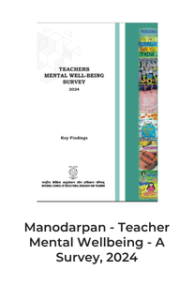
National policies like NEP 2020 and initiatives such as Manodarpan signal a strong commitment to holistic development. Commendable steps by CBSE, NCERT, and state departments have prioritized student well-being, creating a positive and supportive policy landscape.
…but the Implementation Gap Persists

Limited curricular space for wellbeing

High student-to-counsellor ratios

Insufficient teacher capacity

Fragmented wellbeing vocabulary and tools

Lack of confidential, adolescent-friendly support pathways
…our Whole-School Solution provides the structure, tools, and
support schools need to implement well-being effectively.
Aligned with international education and well-being frameworks
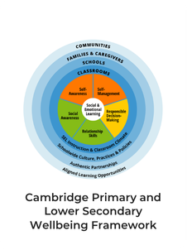
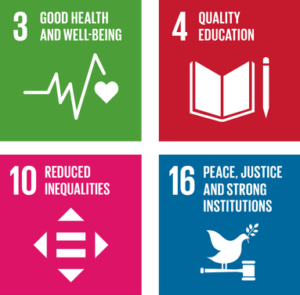
Aligned with UN Sustainable
Development Goals (SDGs) 2030
Aligned with latest developments in the Indian policy
and regulatory landscape